Speakers
Topic outline
-
-

Kathryn Coleman, Ph.D.
Associate Professor
Faculty of Education
University of MelbourneShe is an artist, educator and researcher in Visual Arts and Design Education in the Faculty of Education at the University of Melbourne. She is Co-Director of SWISP Lab, an interdisciplinary living lab working across art, education, climate, digital cultures and speculative futures, and President of Art Education Australia.
Kate’s research explores artistic and speculative approaches to learning, participatory research and climate education, with particular attention to how young people, educators, artists and communities make knowledge together. Working across classrooms, galleries, public spaces and international climate contexts, Kate's work asks how art and education can create conditions for encountering uncertainty, questioning dominant futures, and making other possibilities thinkable, feelable and contestable. -
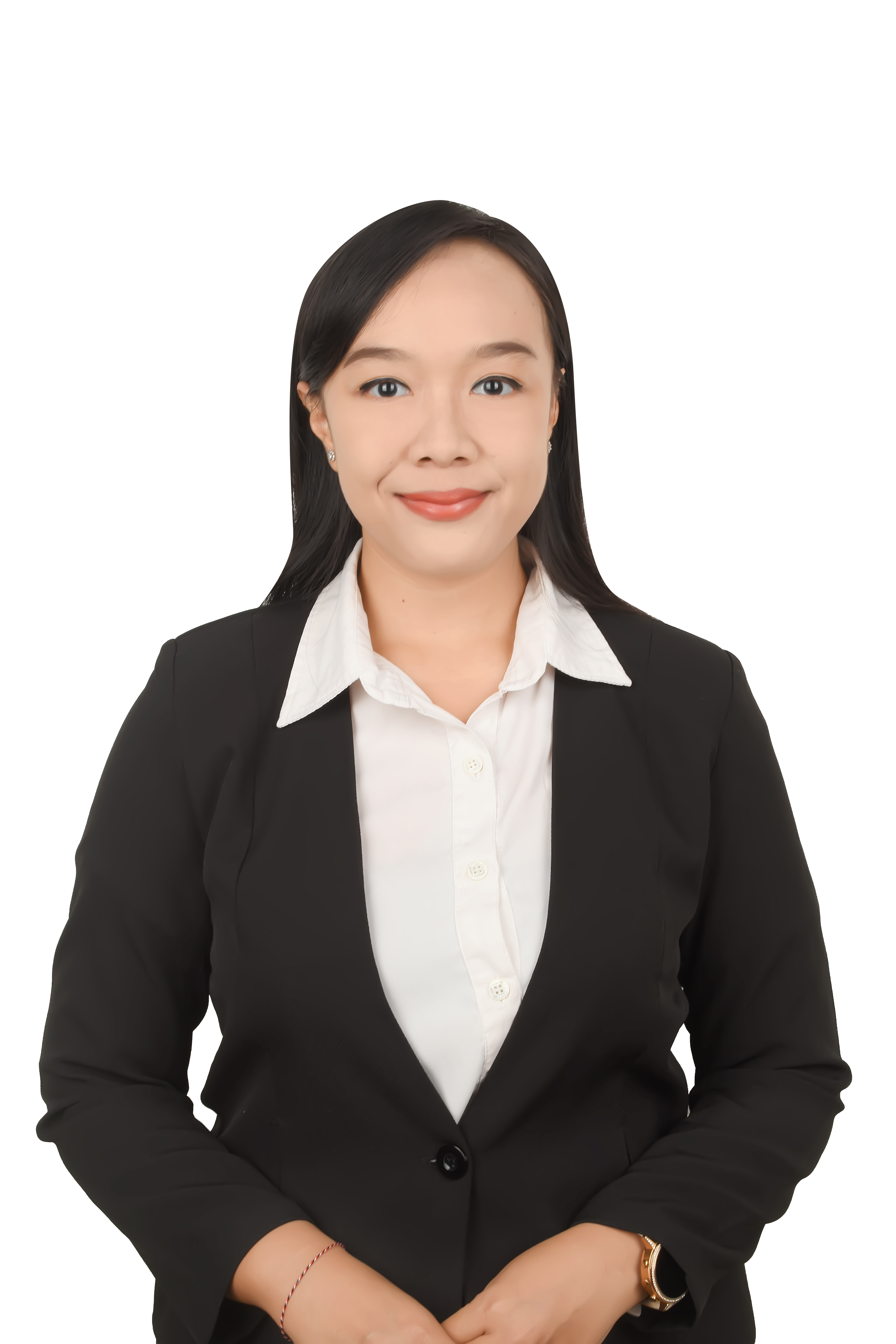
Ni Nyoman Clara Listya Dewi, M.A.
Lecturer
Department of International Relations
Universitas Udayana, Bali, IndonesiaShe is faculty member in the International Relations Program at Udayana University and serves as Co-Director of BASAibu, a nonprofit organization that promotes youth civic participation, local language preservation, and digital innovation. Her work bridges academia and practice, with a particular focus on the sustainability of local culture, community participation, and digital innovation as pathways to building more sustainable and resilient destinations.
Her research interests include the circular economy, gender, and international political economy, with a growing emphasis on sustainable tourism and cultural resilience in Bali.
In 2019, she was named a National Geographic Explorer for her trilingual ocean conservation education project. She holds an MA in International Relations from Universitas Gadjah Mada. -
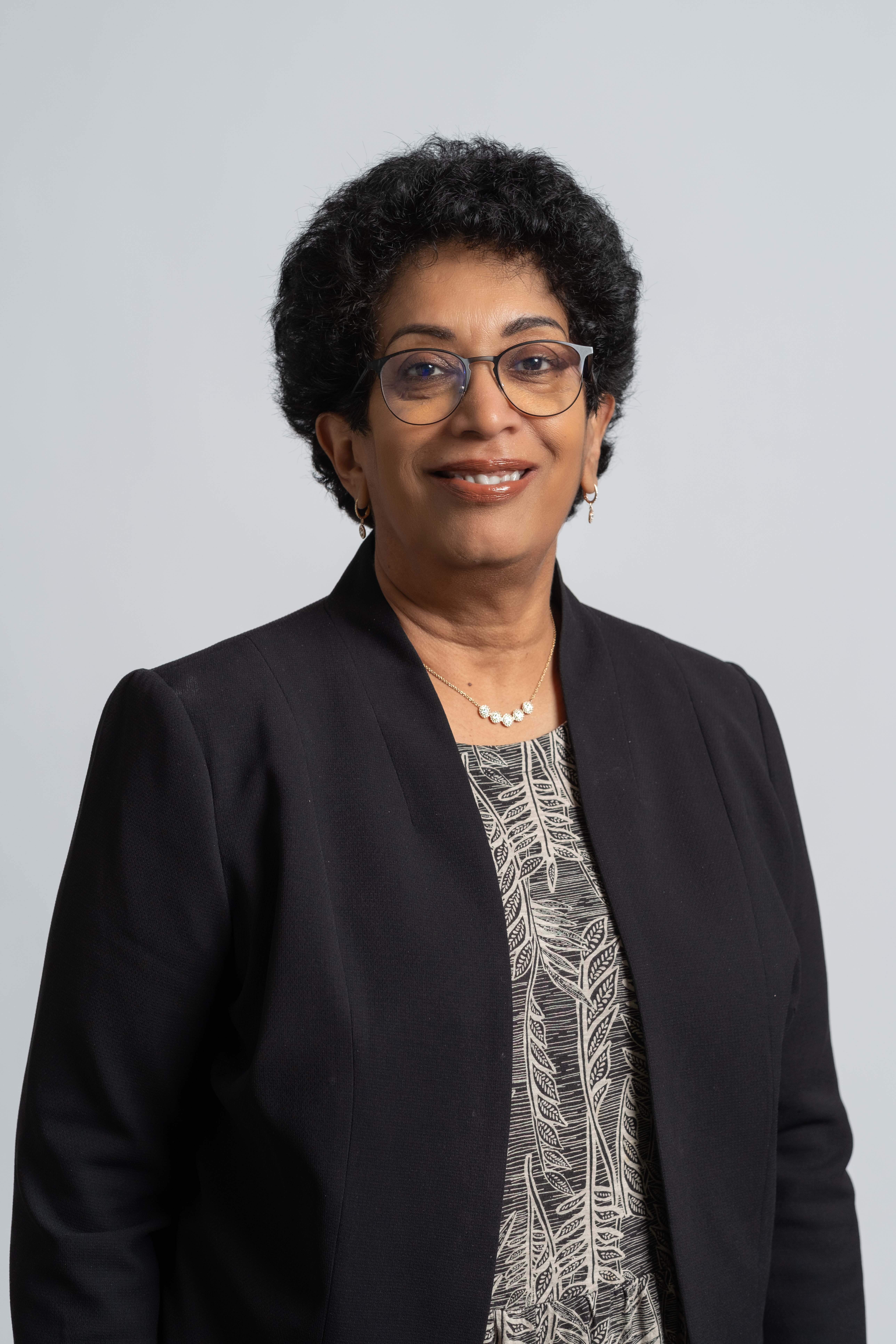
Dilanthi Amaratunga, Ph.D.
Professor of Disaster Risks and Climate Resilience
School of Architecture, Building and Civil Engineering
John Pickford Building, Loughborough University, UKProfessor of Disaster Risks and Climate Resilience at Loughborough University, UK, bringing over two decades of research experience to the intersection of disaster risk reduction and the built environment. Recognised as the UK’s top-ranked scholar in the built environment (5th globally), her research impact places her in the top 2% of scientists worldwide according to Stanford/Elsevier metrics. Her global leadership is further reflected in her appointments to the UNDRR E-STAG, representing the UK, the European Commission’s Community for European Research and Innovation for Security (CERIS), and as an Advisor to His Majesty King Charles III’s Commonwealth Fellowship Programme on Climate Resilience.
-
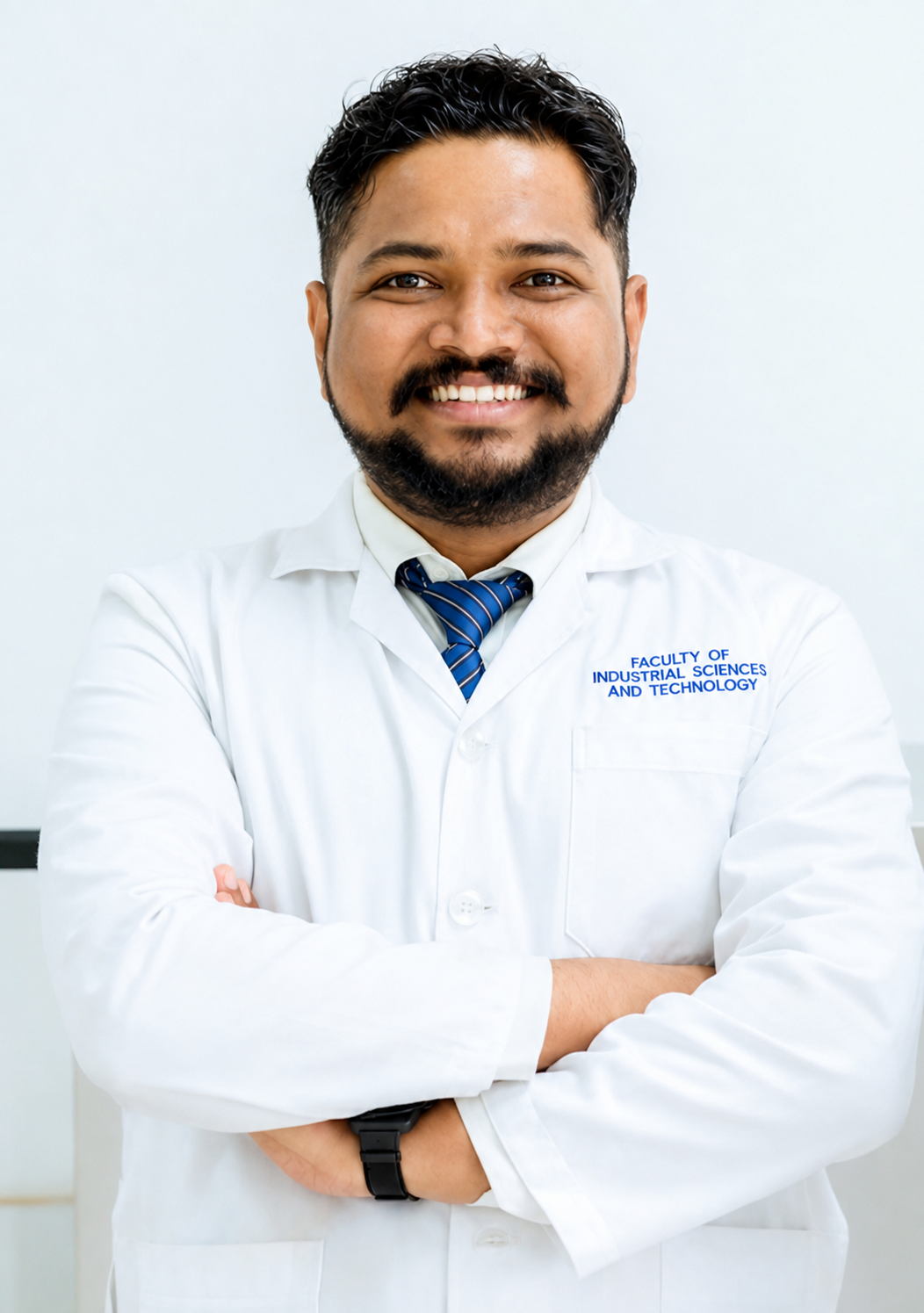
Prakash Murgeppa Bhuyar, Ph.D.
Assistant Dean/Director
International Industry and Agriculture Innovation Research Center (IIAR) Organic Agriculture Management
Maejo University, Chiang Mai, ThailandDr. Prakash Murgeppa Bhuyar is an academic leader and interdisciplinary researcher serving as the Director of the International Industry and Agriculture Innovation Research Center (IIAR) and Assistant Dean for International Affairs at Maejo University, Thailand. He is also a Visiting Professor at Pampanga State Agricultural University, Philippines. His research focuses on environmental biotechnology, renewable energy, sustainable agriculture, bioprocess engineering, and circular bioeconomy. He has extensive international research and academic experience and has published more than 100 scientific papers in international journals. Dr. Bhuyar has served as a keynote and invited speaker at international conferences across Asia and has been recognized among the World's Top 2% Scientists by Stanford University (2023–2026).
-
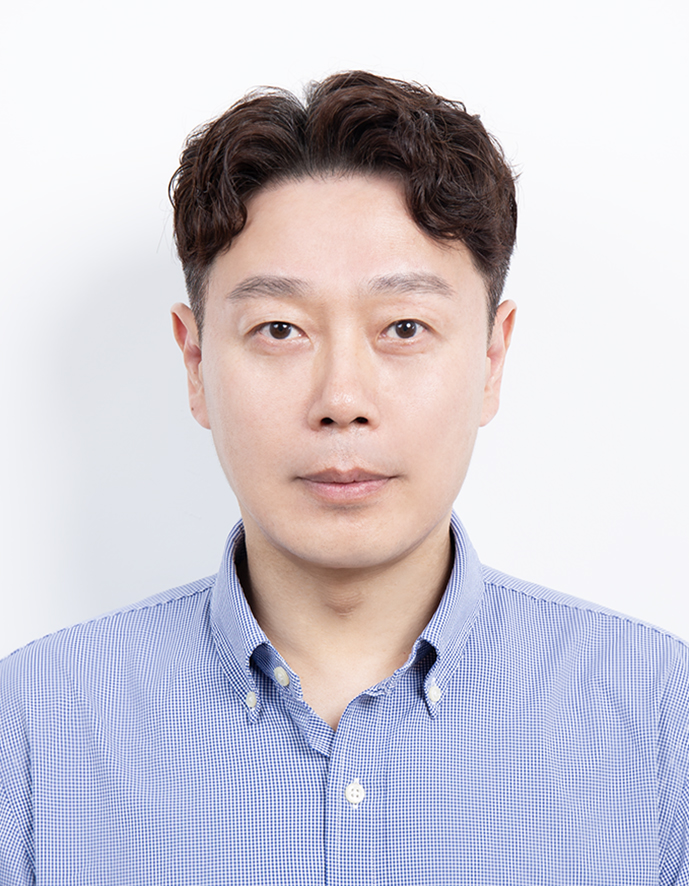
Byung Cheol Kim, Ph.D.
Professor and Director
Center for Students with Disabilities
Handong Global UniversityByung-Cheol Kim is a Professor at Handong Global University, South Korea, where he currently serves as Director of the Center for Students with Disabilities. At Handong Global University, he has previously served as Director of the Lifelong Education Institute, Director of the English Center, and Faculty Director of the CEO Program. He also served as Faculty Director of Citizens’ Happiness College Program in Ulleung County, reflecting his longstanding engagement in lifelong learning, inclusive education, and university–community collaboration.
His research focuses on social policy, asset-based community development, and sustainable livelihoods, with a particular interest in enhancing the well-being and quality of life of local residents through community capacity building and local ownership. Through community–industry–university partnerships, he integrates education, collaborative local projects, and Living Lab initiatives to identify community needs and assets, foster co-creation, and develop locally grounded solutions. His work explores how communities can move beyond being recipients of external support to become active participants, co-creators, providers, and owners of sustainable community development. -
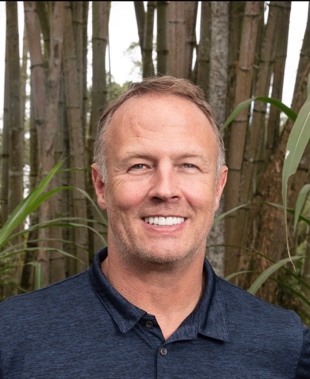
Russell Smith
Co-Founder, President & CEO
RizomeRussell Smith is a Co-Founder, President and CEO of Rizome, an integrated regenerative materials and climate infrastructure company developing bamboo for construction, landscape restoration, and regional economic development.
He leads Rizome's work across regenerative forestry, carbon projects, industrial manufacturing, engineered materials, commercialization, and international markets. In the Philippines, Rizome operates an engineered bamboo manufacturing platform and is advancing more than 20,000 hectares of bamboo and native-tree restoration. Russell's career has focused on bringing emerging technologies into commercial use and building the systems required to move them from early adoption to meaningful scale.
-